

Enterprise sales training is a specialized discipline focused on navigating complex, multi-stakeholder buying committees and long sales cycles. Unlike standard B2B programs that target single-decision-maker transactions, enterprise training equips teams to manage strategic relationships, mitigate organizational risk, and drive high-value deals through rigorous consultative frameworks.
The Buying Committee
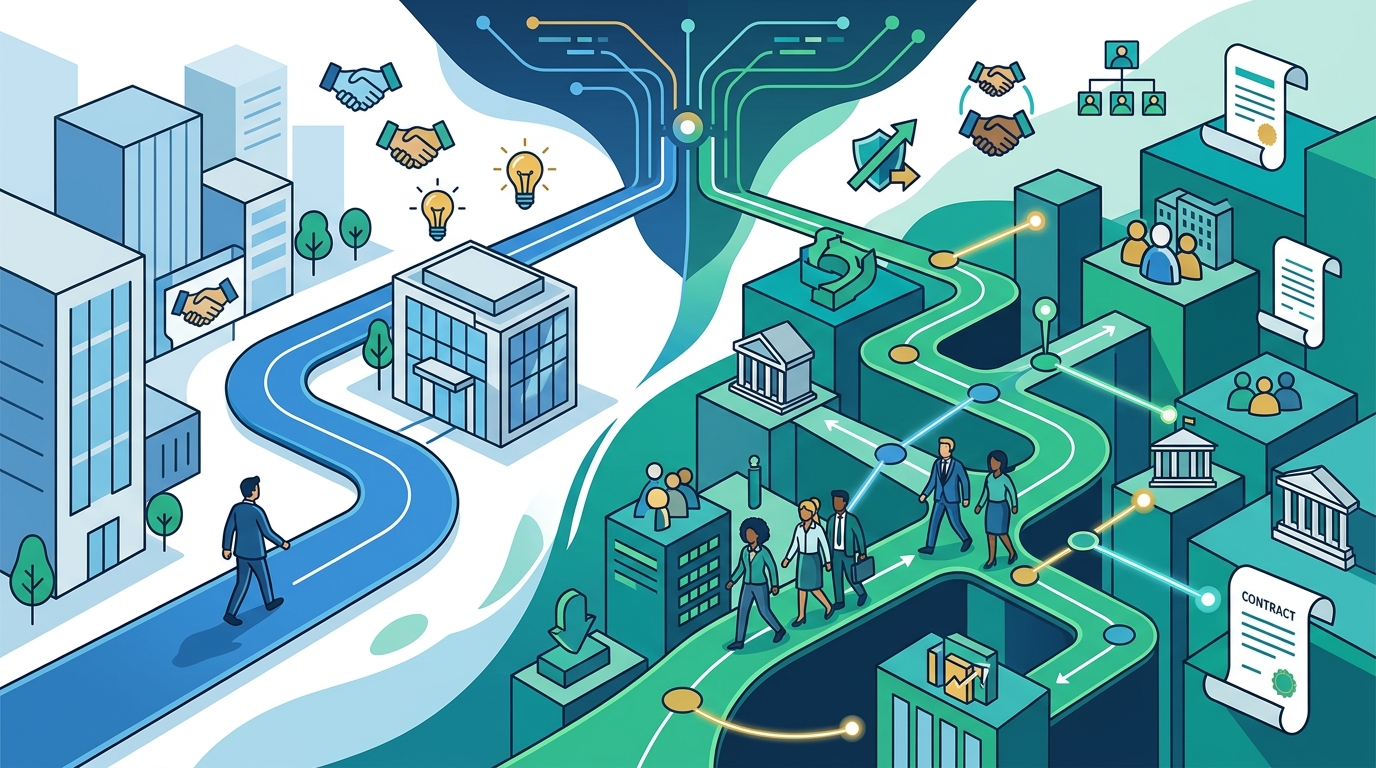
Standard B2B sales often involve a single economic buyer who can approve a purchase independently. Enterprise sales, however, is defined by the presence of a buying committee. This group typically includes economic buyers, technical evaluators, end users, and legal or procurement officers. Each stakeholder has distinct motivations and veto power. A sales professional must map these relationships to ensure alignment across the entire group.
Impel Dynamic emphasizes that understanding the psychology of these diverse stakeholders is critical. Training must teach reps how to identify hidden influencers and address specific concerns for each role. Without this mapping, a deal can stall even if the primary buyer is enthusiastic. The complexity of managing multiple voices requires a structured approach to relationship building.
Cycle Length and Complexity
Enterprise sales cycles are significantly longer than standard B2B transactions. While a standard B2B deal might close in weeks, enterprise deals often span several months or even years. This extended timeline introduces more variables, including budget cycles, organizational changes, and competitive shifts. Sales teams must maintain momentum and visibility throughout this long process.
Organizations that implement a guided sales process see significantly higher win rates. The length of the cycle means that consistency in follow-up and value demonstration is non-negotiable. Standard B2B training often lacks the depth required to sustain engagement over such extended periods.
The Consultative Approach
Enterprise buyers expect a consultative partnership rather than a transactional pitch. They seek strategic partners who can solve complex business problems, not just vendors who sell products. This shift requires sales professionals to possess deep industry knowledge and the ability to frame solutions in terms of business outcomes. The value proposition must be tailored to the specific strategic goals of the client.
Impel Dynamic’s Advanced Sales Training Course focuses on this strategic level of selling. It teaches reps how to command the attention of C-suite executives and position themselves as strategic partners. This approach moves beyond basic objection handling into the realm of value-based negotiation. The goal is to make the client’s choice obvious by demonstrating clear, measurable impact.
Risk Management and Compliance
Enterprise purchases carry significant financial and operational risk for the buyer. Consequently, the procurement process involves rigorous due diligence, security reviews, and compliance checks. Sales teams must navigate these hurdles with precision and transparency. Any misstep in the compliance or security phase can derail a deal that has been in progress for months.
Standard B2B programs rarely address these high-stakes compliance requirements. Enterprise training must include modules on navigating procurement processes and understanding the buyer’s risk mitigation strategies. This knowledge allows sales professionals to prepare for and streamline the final stages of the deal. It builds trust and demonstrates that the vendor is a reliable, low-risk partner.
The Impel Dynamic Method
Impel Dynamic designs its training to bridge the gap between standard B2B skills and enterprise-level mastery. Our methodology focuses on preparing, delivering, and following up with a level of precision that matches the complexity of enterprise deals. We provide frameworks that help teams manage the entire sales lifecycle, from initial prospecting to final contract negotiation.
Our Bespoke Sales Programmes are tailored to the specific selling environment of each client. This customization ensures that the training is relevant to the industry and the specific challenges of the sales team. By focusing on practical application, we help organizations maximize their training ROI and achieve sustainable growth.
Key Takeaways
- Enterprise sales involves managing a buying committee with multiple stakeholders, unlike standard B2B which often targets a single buyer.
- Longer sales cycles in enterprise deals require consistent engagement and strategic follow-up over months or years.
- Enterprise buyers expect a consultative partnership focused on strategic business outcomes rather than transactional pitches.
- Risk management and compliance are critical components of enterprise sales that standard B2B training often overlooks.
- Impel Dynamic provides specialized training that equips teams with the frameworks needed to navigate complex enterprise environments.
Frequently Asked Questions
What is the main difference between enterprise and standard B2B sales?
The main difference is the complexity of the buying process. Enterprise sales involves multiple stakeholders and longer cycles, while standard B2B sales typically involves a single decision-maker and shorter timelines.
Why is consultative selling important in enterprise sales?
Consultative selling is important because enterprise buyers seek strategic partners who can solve complex problems. It demonstrates value beyond the product and builds trust with the buying committee.
How long do enterprise sales cycles typically last?
Enterprise sales cycles can last anywhere from several months to over a year, depending on the size of the organization and the complexity of the solution.
Does Impel Dynamic offer training for enterprise sales teams?
Yes, Impel Dynamic offers bespoke sales programmes and advanced courses specifically designed to help teams master the complexities of enterprise selling.
What role does risk management play in enterprise sales?
Risk management is a critical part of the enterprise procurement process. Sales teams must navigate security and compliance reviews to ensure the deal proceeds smoothly.