

Impel Dynamic offers specialized sales training programmes designed specifically for selling to C-suite executives in the UK. This guide covers how to evaluate providers, verify credentials, understand costs, and measure long-term results. It provides a comprehensive framework for selecting the right partner to elevate your executive selling capabilities.
How to Choose a Provider
Choosing a sales training provider for C-suite selling requires looking beyond generic sales tactics. Executive selling is a distinct discipline that demands strategic positioning, psychological insight, and high-level relationship management. A good provider separates itself by offering specialized frameworks for board-level influence rather than just closing techniques.
Specialization vs. Generalization
Generalist providers often use the same curriculum for entry-level reps and senior executives. This is a red flag. You need a partner that understands the unique dynamics of selling to CEOs, CFOs, and other C-level leaders. Look for providers that explicitly mention executive selling, board-level influence, or strategic partnership building in their core offerings.
Trainer Credibility
The trainer's background is critical. They should have proven track records in high-level sales and management roles. At Impel Dynamic, every consultant is hand-picked for their extensive experience in high-level sales and management. They remain involved in day-to-day business development to ensure their training is current and relevant.
What to Ask Before Committing
Before signing a contract, you must ask specific questions that reveal the depth of the provider's expertise. These questions help you determine if the training will actually change behavior or just provide temporary inspiration.
- How do you customize for our industry? Executive buying behaviors vary significantly between sectors like legal, financial, and technology.
- What is your methodology for executive engagement? Ask for specific frameworks they use to build trust with C-suite buyers.
- How do you measure success? A reputable provider will offer clear KPIs and improvement plans, not just satisfaction surveys.
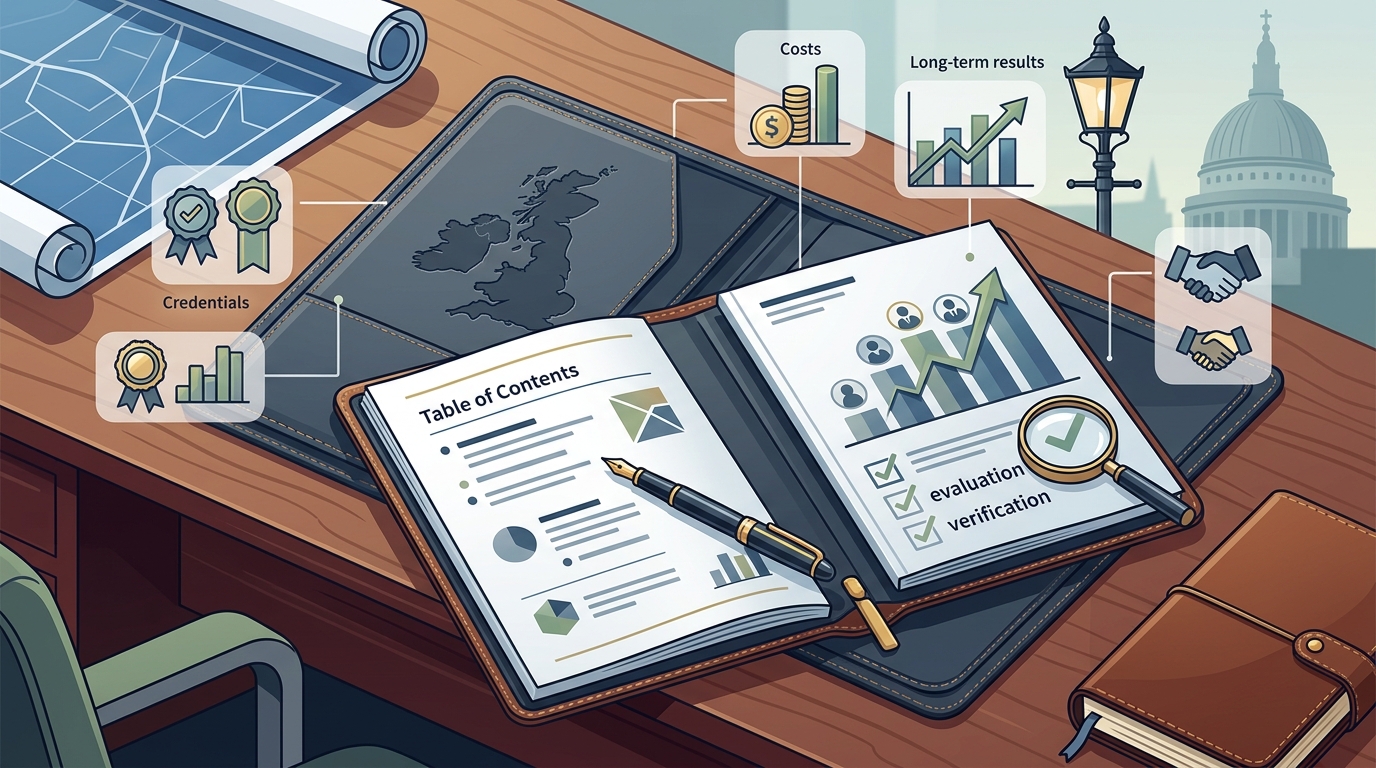
How to Verify Credentials
Additionally, verify the trainer's current involvement in the field. A trainer who is no longer actively selling or developing business may be teaching outdated tactics. Ensure the provider's team stays abreast of market changes and future opportunities.
How the Training Works
Effective executive sales training is not a one-off event. It is a structured process that typically follows a specific sequence. The most effective programmes use a methodology that prepares, delivers, and follows up on the training to ensure lasting change.
The Prepare, Deliver, Follow-Up Method
Impel Dynamic utilizes a proven methodology that begins with preparation. This involves assessing the current state of the sales team and identifying knowledge gaps. The delivery phase includes workshops, simulations, and coaching sessions. The follow-up phase is crucial for embedding new behaviors. It includes ongoing coaching, review sessions, and practical challenges to ensure the skills are applied in real-world scenarios.
Delivery Formats
Training can be delivered face-to-face, virtually, or in a blended model. For executive selling, face-to-face interaction is often preferred for building rapport and practicing high-stakes negotiations. However, virtual training allows for flexibility and can be integrated into busy executive schedules. A blended approach often yields the best results by combining the energy of in-person workshops with the convenience of online reinforcement.
What It Costs
The cost of sales training varies widely depending on the scope, duration, and customization level. Prices are driven by several key factors. Understanding these drivers helps you budget effectively and avoid unexpected fees.
| Cost Driver | Impact on Price | Description |
|---|---|---|
| Customization Level | High | Bespoke programmes tailored to your specific industry and culture cost more than off-the-shelf courses. |
| Duration | Medium | Longer programmes, such as multi-day academies or ongoing coaching, increase the total investment. |
| Trainer Seniority | High | Senior consultants with extensive C-suite selling experience command higher fees than junior trainers. |
| Delivery Mode | Low | Virtual training is often more cost-effective than face-to-face due to reduced travel and venue costs. |
While specific prices are not always published, you should request a detailed quote that breaks down these components. This transparency allows you to compare providers fairly and understand exactly what you are paying for.
Common Mistakes to Avoid
Many organizations invest in sales training but fail to see a return on investment. This is usually due to common mistakes in the selection and implementation process. Avoiding these pitfalls is critical for success.
Ignoring the Management Layer
Training only the sales reps without involving their managers is a frequent error. Managers must reinforce the new behaviors and provide ongoing coaching. If the management layer is not aligned, the training effects will fade quickly. Leadership coaching is the bridge that turns a chosen framework into a living, daily discipline.
Choosing Based on Price Alone
Selecting the cheapest option often leads to generic, ineffective training. The cost of poor training is far higher than the cost of a premium, specialized programme. Focus on value and expected outcomes rather than just the upfront fee.
Versus Alternatives
There are several alternatives to formal sales training, each with its own pros and cons. Understanding these helps you decide if a structured programme is the right fit for your organization.
Internal Mentoring
Internal mentoring is free but often lacks structure and objectivity. Mentors may not have the specific skills to teach executive selling or may reinforce bad habits. External training brings fresh perspectives and proven frameworks that internal mentors may not possess.
Self-Study and Online Courses
Online courses are affordable and flexible but lack the personalization and accountability of live training. For complex skills like C-suite selling, the interactive nature of live coaching is often necessary to address individual challenges and provide real-time feedback.
For Specific Situations
The right training approach depends on your specific situation. For example, if you are a professional services firm in the legal or financial sector, you need training that addresses the unique dynamics of these industries. Impel Dynamic specializes in helping professional service firms expand their influence and maximize their revenue. Their programmes are tailored to the specific challenges of selling to key accounts in these sectors.
If you are a technology company scaling rapidly, you may need training that focuses on standardizing sales methodology across a growing organization. In this case, a programme that includes leadership coaching to ensure consistent execution is essential.
Rules and Protections
When engaging a sales training provider, you should be aware of the rules and protections that apply. This includes data protection and confidentiality. Ensure the provider has a clear privacy policy that outlines how they handle your data. Impel Dynamic is committed to safeguarding personal information and complies with all applicable laws concerning data protection, including the GDPR.
Additionally, review the contract terms carefully. Understand the scope of the training, the number of sessions included, and any additional costs for follow-up coaching. Ensure that the provider is transparent about their methods and that you have the right to cancel or modify the programme if it is not meeting your expectations.
Local Specifics in the UK
The UK market has specific characteristics that influence sales training. London is one of the most competitive commercial hubs in the world, and its sales teams are under constant pressure to hit quota. Buyers in the UK are better informed than ever, and they expect a high level of professionalism and strategic insight from their vendors.
Local providers like Impel Dynamic, based in London, have a deep understanding of the UK business landscape. They know the cultural nuances of selling to British executives and can tailor their training accordingly. This local expertise is a significant advantage over international providers who may not be as familiar with the specific dynamics of the UK market.
Timing Your Investment
Timing is critical when investing in sales training. The best time to act is before you face a significant challenge, such as entering a new market or launching a new product. Proactive training allows your team to be prepared and confident when the opportunity arises. Waiting until you are already struggling to close deals can lead to a rushed and less effective training experience.
Additionally, consider the timing of your sales cycle. Training at the beginning of a quarter or year can help set the tone for the period and align your team's goals with the organization's objectives. Avoid scheduling training during peak sales periods when your team is too busy to fully engage with the material.
Results Over Time
The results of sales training are not immediate. They develop over time as your team applies the new skills and frameworks in their daily work. You should expect to see improvements in key metrics such as win rates, pipeline growth, and average deal value within the first few months. Over the long term, the training should lead to a more confident, proactive, and successful sales team.
Impel Dynamic's clients have reported significant improvements in their sales performance after training. They have closed larger deals, won more new business, and built stronger relationships with their key accounts. These results are a testament to the effectiveness of a well-designed, specialized sales training programme.
Key Takeaways
- Specialization is key: Choose a provider that focuses specifically on executive selling, not just general sales tactics.
- Verify credentials: Look for tangible evidence of success, such as case studies and specific deal values.
- Involve management: Ensure that sales managers are also trained to reinforce new behaviors and provide ongoing coaching.
- Understand the cost drivers: Customization, duration, and trainer seniority are the main factors that influence price.
- Avoid common mistakes: Do not choose based on price alone, and do not ignore the management layer.
- Consider local expertise: UK-based providers have a deeper understanding of the local market and cultural nuances.
- Time your investment: Act proactively before facing significant challenges to maximize the impact of the training.
- Expect long-term results: Sales training results develop over time as your team applies new skills in their daily work.
Frequently Asked Questions
What is the difference between sales training and executive selling training?
Sales training covers general selling techniques, while executive selling training focuses specifically on selling to C-suite leaders. It involves strategic positioning, psychological insight, and high-level relationship management.
How long does it take to see results from sales training?
Results typically develop over the first few months as your team applies new skills. Long-term improvements in win rates and pipeline growth are expected over the following year.
Can sales training be delivered virtually?
Yes, sales training can be delivered virtually, face-to-face, or in a blended model. Virtual training offers flexibility and can be integrated into busy executive schedules.
How do I verify a provider's credentials?
Look for case studies, specific deal values, and evidence of the trainer's current involvement in the field. Verify that the provider has a clear privacy policy and complies with data protection laws.
What is the cost of sales training?
Costs vary based on customization, duration, and trainer seniority. Request a detailed quote that breaks down these components to compare providers fairly.
Why is management involvement important in sales training?
Managers must reinforce new behaviors and provide ongoing coaching. If the management layer is not aligned, the training effects will fade quickly.